
Linker Nutrients

Feed Solutions · Nutritional and functional ingredients

One molecule. Two jobs: methyl donor and osmolyte.

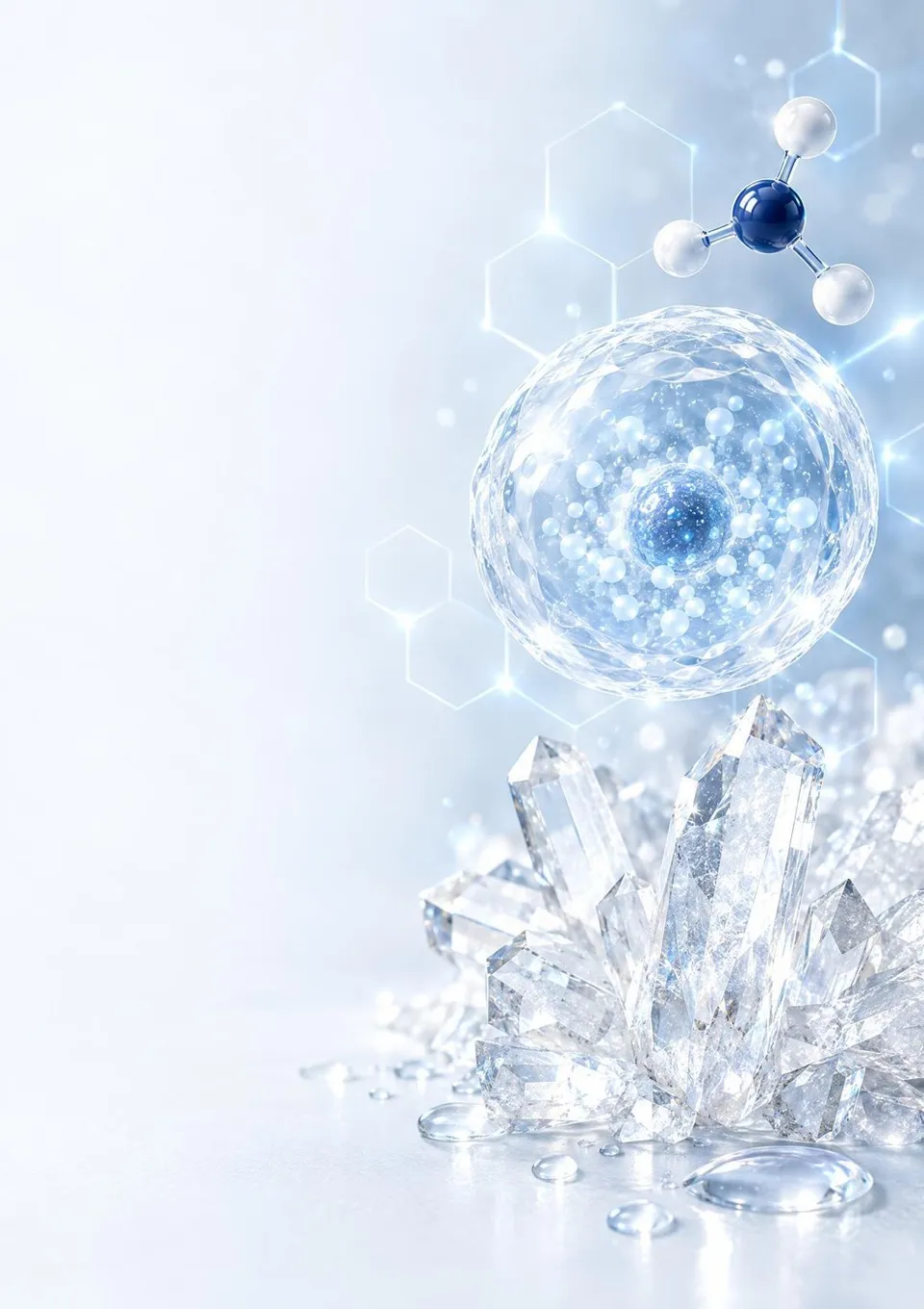
Illustration: Betaine
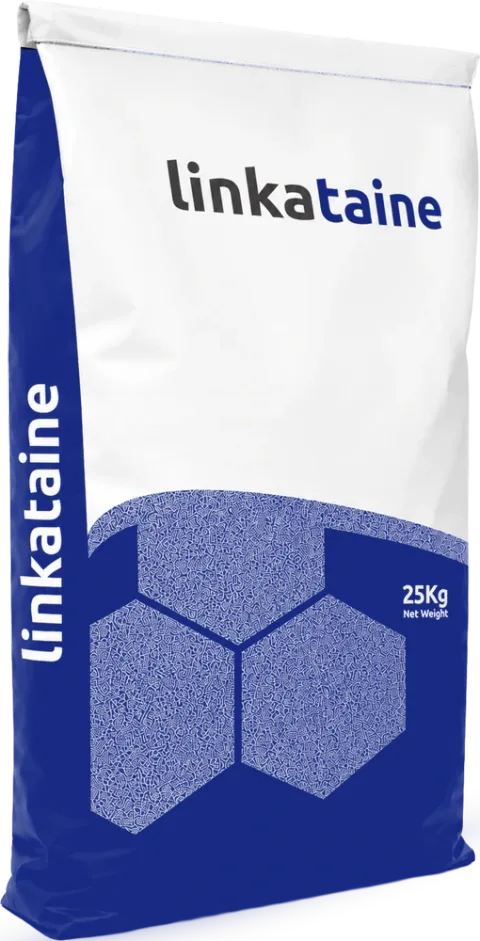
Linkataine
  • A methyl donor

    Hands on methyl groups, so part of the methionine and choline stays free for other roles.

  • An osmolyte

    Helps cells hold their water: in the heat, at weaning, in salty ponds.

  • Keeps in humid stores

    The hydrochloride is less sensitive to moisture than anhydrous betaine.

Linkataine: betaine hydrochloride for animal feed

Betaine, or glycine betaine, is a small molecule found in sugar beet and in many living cells. In feed it has two jobs: it donates methyl groups, and can spare part of the methionine and choline in the formula, and it acts as an osmolyte, helping cells keep their water balance. Linkataine is crystalline betaine hydrochloride, a free-flowing powder for poultry, pig, ruminant, fish and shrimp feed.

Role
Methyl donor and osmolyte
Ingredient
Betaine hydrochloride, 98% minimum, carrier-free
Form
White crystalline powder, in 25 kg bags
Species
Poultry, pigs, ruminants, aquaculture
Shelf life
24 months, dry, not above 40 °C
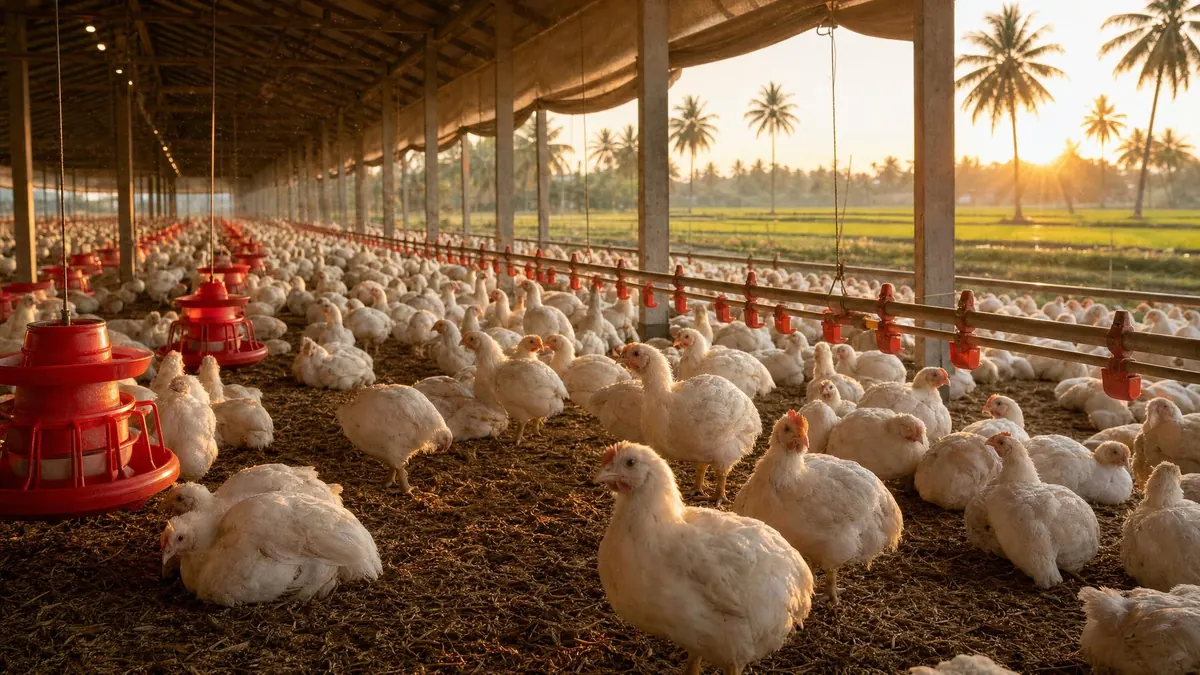
Broilers in an open-sided house at the end of the day, in a tropical area

The problem

Two needs, two people to talk to

The formulator is looking for methyl groups: the methionine and choline in the diet supply them, and they cost money. Every methyl group supplied another way frees part of those two nutrients for their other roles.

The farmer sees animals whose cells have to hold on to their water: when the heat rises, at weaning, in the more or less salty water of the ponds. One molecule speaks to both: betaine.

In fish and shrimp feed, betaine is also studied as an attractant: feed palatability is covered on the feed flavours and sweeteners page.

The principle

One molecule, two jobs

Two mechanisms with no shared biochemistry, which add up in the same diet.

  1. It gives a methyl.Betaine hands one of its three methyl groups to homocysteine, which becomes methionine again.
  2. It spares.The part of the methionine and choline spared this way stays available for their other roles in the body.
  3. It holds water.As an organic osmolyte, it accumulates in cells and maintains their water balance without disturbing enzyme activity.
  4. It keeps in store.In hydrochloride form it is less sensitive to moisture than the anhydrous form.

The rate follows the formula and the species

Species and stage
Broilers, layers, grower pigs, sows, cattle, fish and shrimp do not have the same needs.
Formula
The methionine and choline already supplied by the diet.
Season
Hot periods and transitions, when the cells’ water balance is under the most pressure.
Form
Hydrochloride or anhydrous: the rate is converted according to the form used.

Linkataine at a glance

1 min 4 s, subtitled in English

The product

One grade, every formula

Crystalline betaine hydrochloride, added to the premix or the compound feed. 98% minimum, carrier-free.

Simplified technical data sheet

linkataine

What it is
Betaine
Range
Feed Solutions · Nutritional and functional ingredients
Species
Poultry, pigs, ruminants, aquaculture
Use
Betaine hydrochloride for poultry, pig, ruminant, fish and shrimp feed.
Form and appearance
White crystalline powder
Packaging
25 kg bag
Shelf life and storage
24 months, dry, not above 40 °C
Key ingredients
Betaine hydrochloride, 98% minimum, carrier-free.
Indicative rate
Broilers and turkeys: 1–2 kg/tLayers: 0.5–1 kg/tGrowing and finishing pigs: 1–2 kg/tSows: 0.5–1 kg/tCattle: 0.5–1 kg/tFish and shrimp: 1–2 kg/t

Simplified sheet, for information only: the full technical data sheet of the grade and the label prevail.

Get the full technical data sheet →

Made on sites certified to GMP+ FSA, FAMI-QS, FCA or an equivalent feed safety scheme.
Linker Nutrients SAS · Centre d’Affaires Lorient Mer, 1 rue Honoré d’Estienne d’Orves, 56100 Lorient, France · +33 2 30 91 59 15 · contact@linkernutrients.com
www.linkernutrients.com/en/products/linkataine · Updated 4 November 2026

Indicative rates, taken from the current technical data sheet; we do the calculation for your diet with you.

Trial results available on request.Ask for the trial results →

Betaine in poultry, pig and cattle feed: where is it used?

Poultry. In broilers, turkeys and layers, betaine is used as a methyl donor in feeds where methionine and choline weigh on cost, and as an osmolyte in summer feeds. The role of betaine in poultry comes down to these two functions; it is one of the methyl donors in poultry diets, alongside methionine and choline.

Pigs. In grower and finisher feed, for the formula; in sows, at a lower rate; in weaned piglets, for the water balance of the cells of the gut wall.

Cattle. In cattle feed, betaine is used mainly as a methyl donor; part of unprotected betaine is broken down in the rumen, and the rate is worked out on the total ration.

Fish and shrimp. An osmolyte in species that move between salinities, and an attractant studied in feed; in shrimp, published results are mixed.

Betaine hydrochloride or anhydrous: which one to choose?

The active molecule is the same: glycine betaine. The hydrochloride form pairs it with a molecule of hydrochloric acid; the anhydrous form is betaine on its own.

Three differences matter in formulation. Betaine supply: for the pure molecule, one kilogram of hydrochloride supplies about 763 g of betaine, a factor of 1.31 to go from a rate expressed as anhydrous betaine to a rate of hydrochloride; the guaranteed content of the batch is on the data sheet. Chloride: the hydrochloride brings some, to be counted in the electrolyte balance of the diet. Storage: the anhydrous form attracts moisture; the hydrochloride is less sensitive to it.

Natural or synthetic betaine: it is the same molecule. What sets two betaines apart is their guaranteed content and their impurities, including trimethylamine, which gives a fishy smell; it is shown on the certificate of analysis.

Betaine and choline chloride: what does formulation say?

Choline has two roles: donating methyl groups, and becoming part of molecules of its own, such as phosphatidylcholine in cell membranes and acetylcholine. Betaine can take over the first role, not the second.

Replacing part of the choline chloride with betaine is therefore a formulation question: how much of the choline in your diet works as a methyl donor, and at what cost. We do not publish a generic choline chloride replacement rate: we calculate it on your matrix, species by species.

The laying hen’s liver and piglet weaning: where does betaine fit?

The liver. In layers at peak production and in dairy cows in early lactation, the liver can take in more fat than it exports, and the fat builds up. Exporting it takes methyl groups, in particular to make the phosphatidylcholine that carries it. Betaine is one of their sources in the diet, with methionine and choline: a nutritional lever, next to the energy balance of the diet and the management of the flock or herd.

Piglet weaning. At weaning, the gut wall switches diet within a few days, and its cells have to hold on to their water. Betaine is studied in weaned piglets for this osmolyte role. It is one feed lever among others, with water, the feed transition and hygiene; established diarrhoea in pigs is a matter for the veterinarian.

In both cases, betaine does not act on a disease: it brings to the diet a molecule the animal needs at those moments.

In practice

What Linkataine is

Nutritional additive (betaine hydrochloride), within the meaning of Regulation (EC) No 1831/2003. Data sheet, safety data sheet and status in your country: on request.

Linker products are additives and supplements for feed and drinking water, used within a farm’s programme.

The data sheet, and a calculation on your formula

The documents you need

Tell us about your formula

Species, stage, methionine and choline supply, season: with these, a technician proposes a rate and, where it makes sense, a share of choline to replace.

Ask about Linkataine →

Frequently asked questions

Is betaine useful when it is hot?

When the heat rises, animals eat less and their cells have to hold on to their water. Betaine, an osmolyte, is one of the feed levers studied in that situation. Heat stress in poultry and pigs is managed first through water, ventilation and management; betaine takes its place in a summer programme, not as a promise.

What betaine rate in feed?

It depends on the species, the stage and the formula. The table gives the data sheet rates, from 0.5 to 2 kg/t depending on the species; we do the calculation for your diet with you.

Does Linkataine keep in a tropical climate?

24 months dry, not above 40 °C, according to the technical data sheet; in a hot, humid climate, keep the bags closed.