
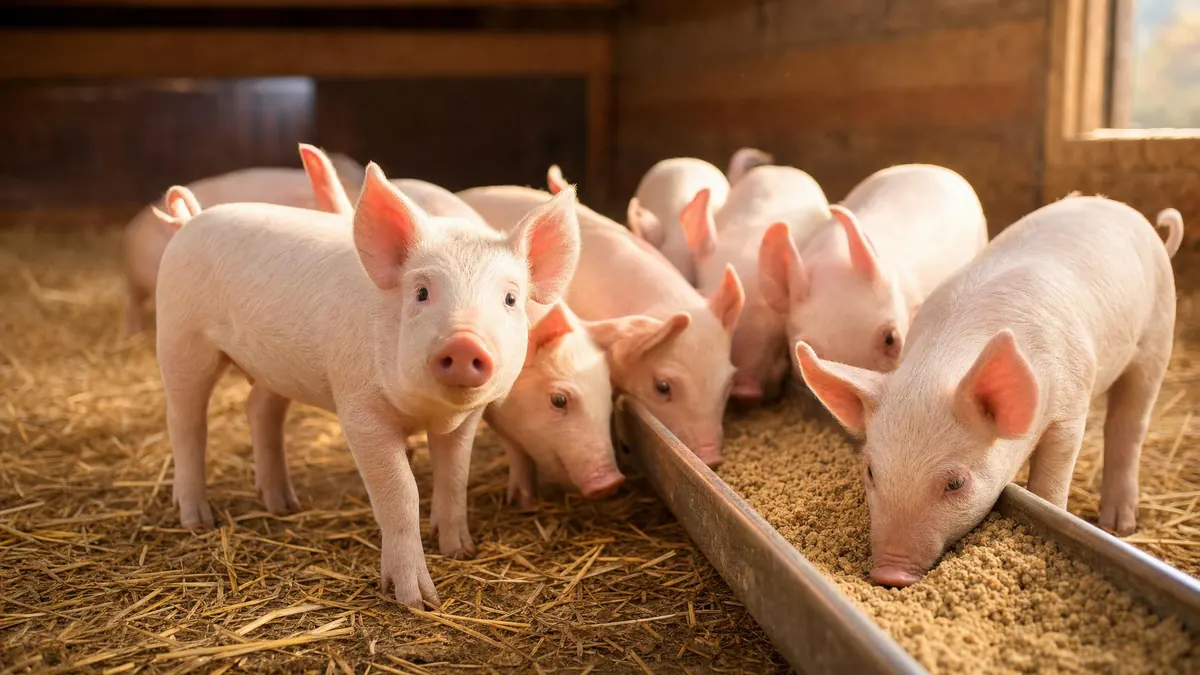
Feed palatability: when animals leave the formula in the trough
Why a formula that is right on paper gets eaten less, what it costs, and the levers: management first, then the feed.
In short
Feed palatability is how attractive a feed is to the animal: what makes it come to the trough, taste, and keep eating. It is judged by feed intake, not by the formula. A feed that is balanced on paper gets eaten less if its smell, taste or presentation has changed, or if the animal has a reason to eat less. It is managed through husbandry first, then through the feed itself.
- Species
- Piglets and pigs first; also poultry, calves and cattle
- What lowers it
- Bitterness, by-products, raw material changes, feed transitions, weaning, heat
- What you see
- Feed left in the trough, shorter meals, slower growth, a less even batch
- First lever
- Management: fresh, well-presented feed, gradual transitions, water at all times
- Through the feed
- A flavour for smell, a sweetener for sweet taste
The problem
Why feed intake drops when the formula is right
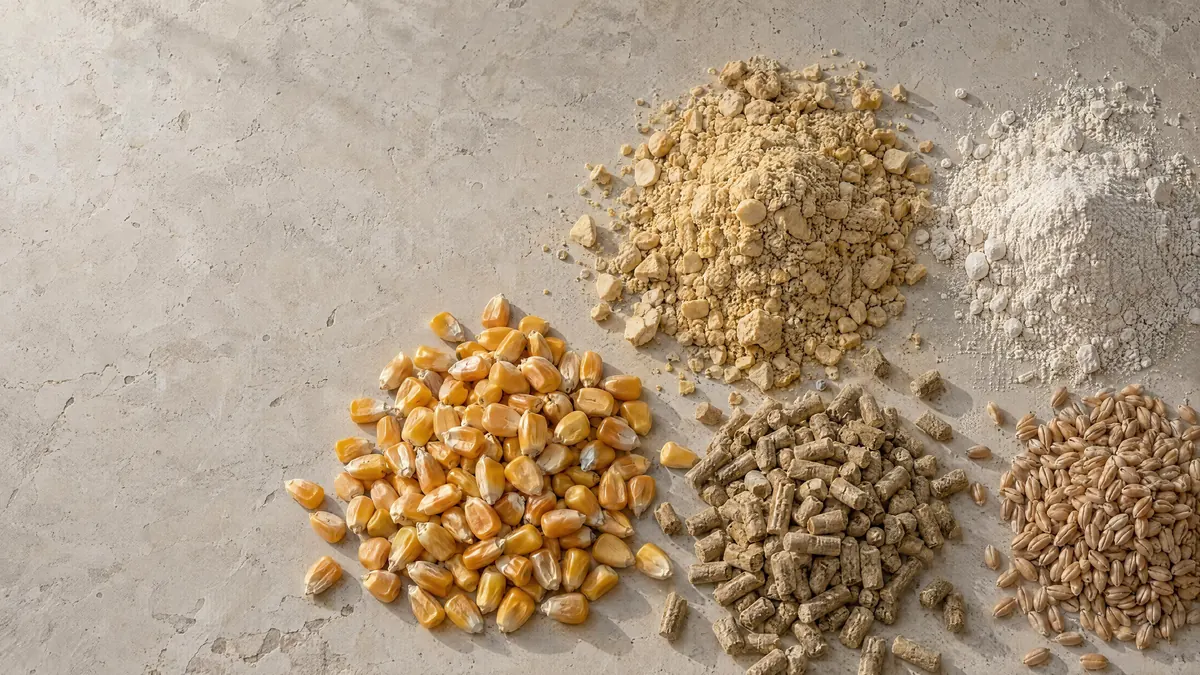
The formulator works in nutrients. The animal judges with its nose and mouth: smell decides whether it comes to the trough, taste whether it keeps eating. That is what palatability in feed comes down to, and a formula that is right on paper only feeds what gets eaten.
When intake falls but the formula has not changed on paper, there are two families of cause. Either the feed has changed: its smell, taste, presentation or freshness. Or the animal has a reason to eat less: weaning, a change of feed, the heat.
Either way, the animal notices before the formulator does. A new batch of meal, an acidifier at a higher rate, a fat ageing in its tank: each changes something the animal picks up, and the trough shows it before the growth curves do.
A sick animal eats less too. When lower intake comes with other signs, the veterinarian’s view comes before any question of palatability.
The causes
Bitterness, by-products, feed changes, weaning, heat: cause by cause
Six reasons a feed gets eaten less, and what to check first for each one.
| Cause | What happens | What to check first |
|---|---|---|
| Bitterness | Mineral oxides, an acidifier at a high rate, some raw materials: a bitter or sour note the animal picks up before the formulator does. | The inclusion rate and form of minerals and acids, then a sweet taste or a flavour that covers the note. |
| By-products | A meal, distillers’ grains or bran that costs less than what it replaces has neither its smell nor its taste. | The inclusion rate, how fresh the batch is, and bringing it into the formula gradually. |
| Raw material changes | A new origin, a new harvest, a different fat: the feed smells different from one batch to the next. A fat turning rancid, or a cereal carrying DON, a field mycotoxin, also lowers intake, in pigs first. | Analysis and freshness of the batch, then a flavour profile that stays the same. |
| Feed transitions | A new phase, a new formula, a new presentation: the animal is wary of what it does not know, and intake hesitates. | A change spread over several days, and the same note from one feed to the next. |
| Weaning | The piglet leaves milk for a dry feed it has never met, in a new pen with new pen-mates: intake drops suddenly. | A palatable feed, known before weaning, fresh and given often: see piglet weaning. |
| Heat | Digesting produces heat: when it is hot, the animal eats less to produce less of it. | The house and the water first, meals in the cool hours: see heat stress. |
Causes often add up: a weaner feed rich in minerals, delivered in a heatwave, has three reasons to be eaten less. Weaning, water, heat and DON: from the EFSA opinions listed below.
What poor palatability costs
A quiet loss: it shows in the trough long before it shows on the scales.
Feed intake
Less feed eaten means fewer nutrients. The best formula only feeds what is actually eaten.
Growth
Weight gain follows intake, with a lag. A dip at the wrong time, at weaning or near the end of the cycle, shifts the whole curve.
Uniformity
Animals do not all react the same way: the smallest and the most wary fall behind first, and the batch spreads out. An uneven batch is harder to manage, sort and sell.
Wasted feed, and trust
Feed that is refused stays in the trough, spoils and is thrown away. The farmer blames the feed, and the mill has to answer for it.
No figures here: the loss depends on species, stage and how long the dip lasts. It shows on your own intake and growth curves, batch by batch.
Finding the cause
Before the flavour: four questions
A flavour covers a note; it does not tell you where the note comes from. Ask these four questions first, at the mill and on the farm.
- What has changed?A batch of raw material, an origin, a fat, a formula, a phase, the season. A drop that follows a change often points to its cause.
- Is the feed fresh and well presented?Leftovers warming in the trough, fines at the bottom of the hopper, pellets that crumble, a rancid or mouldy smell: you can see and smell it at the trough.
- Are the animals drinking normally?An animal that drinks less eats less. Flow rate, number and height of drinkers, water temperature: check them before the feed.
- Is the batch healthy?If the drop affects only some of the animals, or other signs appear, it is a health question: the veterinarian decides.
How to improve feed palatability: the levers, in order
Management comes before any additive. Flavours and sweeteners come next, once the cause is fixed, or when the formula has to keep what puts the animal off.
No product
Management first
At the mill and on the farm: what is settled before any additive.
Well-presented feed
Pellets that hold together, few fines, a particle size suited to age; for young animals, crumbs or small pellets. Dusty feed gets sorted, wasted and eaten less.
Fresh feed at the trough
Deliveries in step with consumption, bins and hoppers emptied and cleaned, no leftovers warming up. For young animals, small amounts, often.
Gradual transitions
Change phase or formula over several days, mixing the old and the new feed. Bring in a by-product or a new raw material in steps, without changing everything at once.
Water at all times
Flow checked on every line, enough drinkers at the right height, cool water in hot weather. Feed intake follows water intake.
Feed Solutions
Through the feed
When the formula has to keep what puts the animal off, or everything around the animal changes: the smell and taste of the feed can be worked on.
Fix the cause in the formula
Minerals and acids at the right rate, fresh raw materials, fats protected from oxidation, for example with an antioxidant such as Linkatiox. What the animal cannot smell does not need covering: a formulation setting, before the flavour.
A smell that attracts, and stays the same
A flavour works on smell, so on the decision to come to the feed. Its notes cover the smell of minerals, acids and raw materials, and keep the same sensory profile on the feed while what is behind it changes: the raw material, the phase, the season.
One note from one feed to the next
Animals recognise what they know. Keeping the same profile from creep feed to grower aims to let each transition pass unnoticed: the case for a sequence rather than a single product, which we check with you on your own feeds.
A clean sweet taste
A high-intensity sweetener works on taste, so on the decision to keep eating. It gives a clean sweet taste with no bitterness, and covers the bitterness of minerals and acids. Pigs are very sensitive to it; in piglets, a sweet taste carries on from milk.
Flavours and sweeteners often work together: one brings the animal to the trough, the other keeps it there.
Pigs, poultry, calves: feed palatability works differently
Pigs choose a great deal by smell and taste. They have a strong liking for sweetness, which piglets carry over from their mother’s milk, and they are quick to notice when a feed smells different. This is the species where flavours and sweeteners do the most, from creep feed to grower.
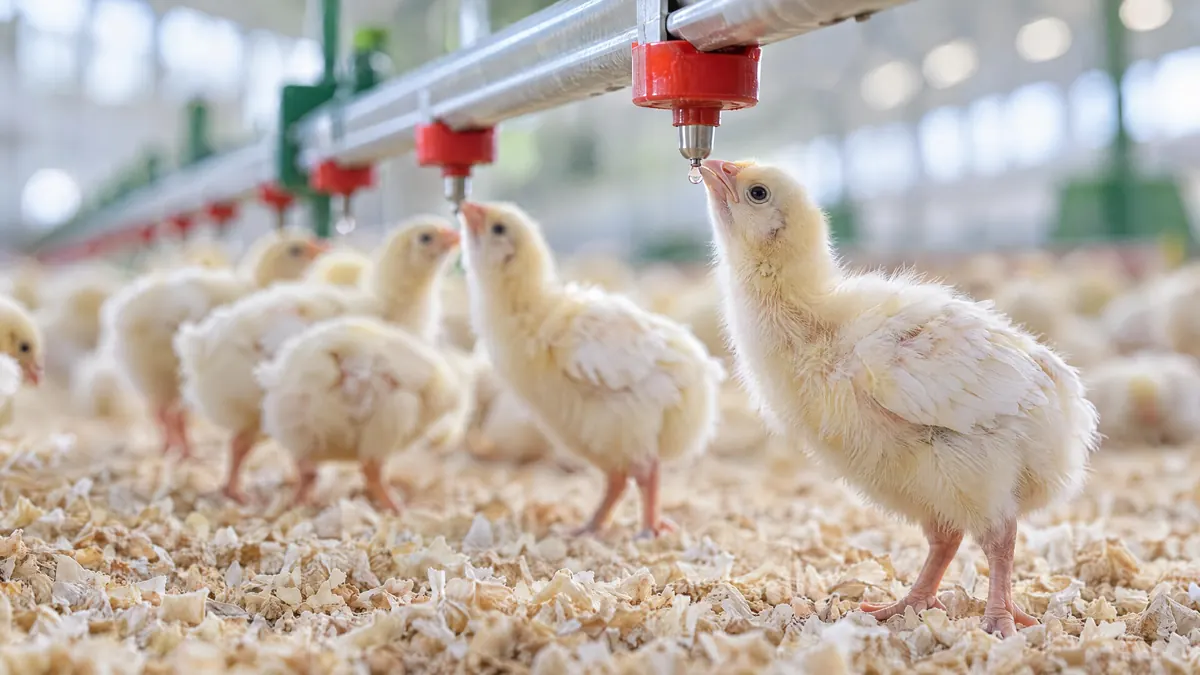
Poultry taste little sweetness. For them, palatability comes first from how the feed is presented, its texture and its smell: crumbling pellets or uneven crumbs often matter more than taste. A flavour keeps the feed’s profile the same from one formula to the next.
Calves also move from milk to solid feed, and milky or buttery notes go with that change. In dairy cows, intake depends first on the ration, how fresh it is when served, and access to water.
The Linker platforms involved
Two Feed Solutions platforms, two senses: smell and taste. Each has its own page: profiles, grades, use, documents.
| Platform | Where it works | When |
|---|---|---|
| linkastyFlavours · feed | At the animal’s nose, before the first mouthful | At every change of raw material, formula or phase; across a whole sequence, from creep feed to grower |
| linkasweetSweetener · feed | In the mouth, with every mouthful | Creep feed, piglet and pig feed, and formulas heavy in minerals or acids; always through a premix |
The dose is on each platform’s page when it is published; otherwise ask for it, with the species, stage, feed presentation and what needs covering. The sweeteners allowed in feed vary from country to country: we check your market before any offer. The whole subject, and how to choose between a flavour and a sweetener, is in Feed flavours and sweeteners.
Sources
- Welfare of pigs on farm (external site)EFSA Panel on Animal Health and Welfare (AHAW) · EFSA Journal 2022, 20(8), e07421 · accessed
- Risks to human and animal health related to the presence of deoxynivalenol and its acetylated and modified forms in food and feed (external site)EFSA Panel on Contaminants in the Food Chain (CONTAM) · EFSA Journal 2017, 15(9), e04718 · accessed
- Guidance on the assessment of the efficacy of feed additives (external site)EFSA Panel on Additives and Products or Substances used in Animal Feed (FEEDAP) · EFSA Journal 2018, 16(5), e05274 · accessed
This page explains; it does not replace your veterinarian’s advice. The three EFSA opinions were read in full text on PubMed Central.
Frequently asked questions
Why is feed intake dropping when the formula has not changed?
Because the feed can change without the formula changing: a new batch, another origin, a fat that is ageing, pellets that crumble more. Start with the four questions.
Can a flavour make up for a poor-quality raw material?
It covers the note, not the value. An oxidised fat or a mouldy batch is fixed at the source; the flavour comes next, to keep the feed’s profile.
Flavour or sweetener: which one?
A flavour works on smell, so on the urge to come closer; a sweetener on taste, so on the urge to keep eating. In piglets the two are often combined: choose criterion by criterion.
How long should a feed transition take?
Several days, mixing the old and the new feed. The length depends on age, species and how different the two feeds are; keeping the same flavour note across both makes the change less noticeable.
Why do piglets eat so little right after weaning?
Everything changes at once: the milk is gone, the pen and pen-mates are new, and the dry feed is unfamiliar. This is covered in piglet weaning.
How is feed palatability measured?
With a free-choice test: two feeds offered at the same time, side by side, and the amount eaten of each is weighed. It shows which one the animal prefers; the effect on intake is then followed over time, on the farm.
Can a loss of appetite be a sign of disease?
Yes. Many health problems start with an animal eating less. Other signs, or a drop limited to a few animals, call for the veterinarian before any question of palatability.
Are poultry sensitive to feed palatability?
Yes, but differently from pigs: they taste little sweetness, and how the feed is presented matters first. See by species.
Tell us about the feed that is not being eaten
You formulate or make the feed
Tell us the species, the stage, the formula and what has changed: we work out with you what the animal is refusing, and what covers it.
Tell us about your formula →Send us the feed that is not being eaten →You are building a sequence
From creep feed to grower: one profile, a dose for each feed, and the technical data sheet for each grade.
Request the Linkasty data sheet →Or directly: +33 2 30 91 59 15 · contact@linkernutrients.com
Further reading
- Feed flavours and sweeteners →
What a flavour masks, flavour memory, and how to choose between a flavour and a sweetener.
- Piglet weaning →
When intake drops the most, and the levers through feed and water.
- Heat stress →
When heat cuts intake: the house first, then feed and water.