
Feed Solutions
Feed safety and preservation: moulds, mycotoxins and oxidation
Between raw material intake and the feeder, feed can go mouldy, go rancid, and sometimes arrive already carrying mycotoxins. Each risk has its own tool: a preservative does not do the job of an antioxidant, nor that of a mycotoxin binder.
What this family solves
Several risks, one feed
Feed preservatives hold back whatever degrades feed while it waits: in a silo, a ship’s hold, a bag or a farm bin. The feed safety and preservation category brings together three families of tools, because feed deteriorates in three ways that have neither the same cause nor the same answer.
Moulds and yeasts grow when available water, warmth and time come together. They consume the feed, make it heat up, and leave it smelling musty and caked. Mycotoxins are molecules produced by some moulds, in the field as well as in storage: invisible and odourless, they usually arrive with the raw material. Oxidation attacks fats, oils, vitamins and pigments: a chain reaction that starts in the fat tank and carries on in the premix.
Each of these risks can be measured, and the measurement is what decides the tool and its rate. This page sets out what each platform does, what it works alongside, and how to choose.
The platforms
Each risk, its platform
Each cell opens its product page: grades, use, documents.
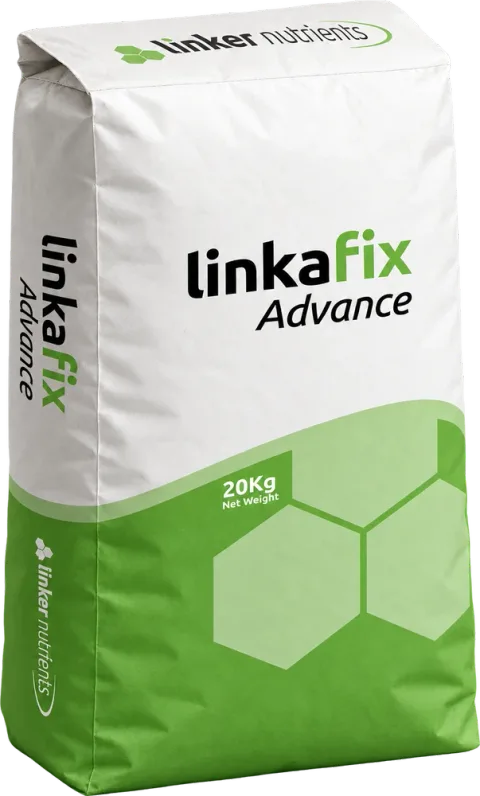 linkafixMycotoxin binders: two selected clays, a bentonite and an activated fibrous clay.
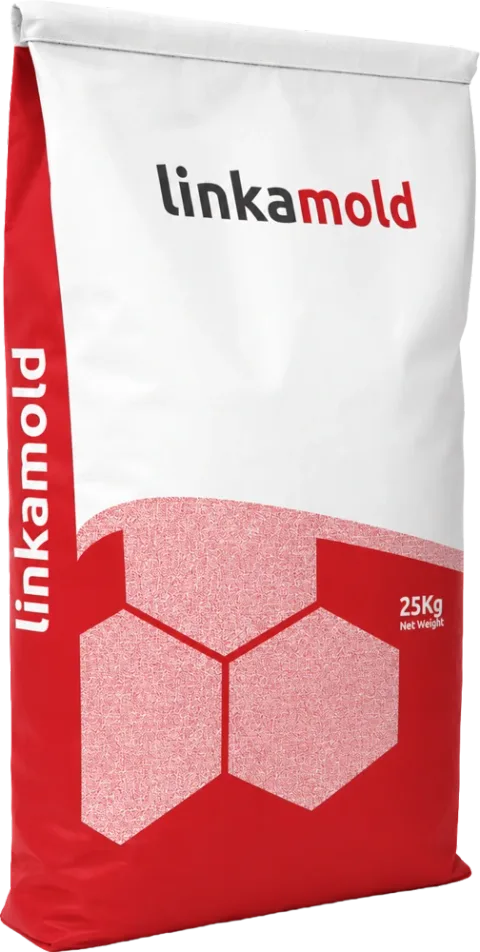 linkamoldMould inhibitors and preservatives, as powder or liquid: holding back moulds and yeasts from storage to the feeder.
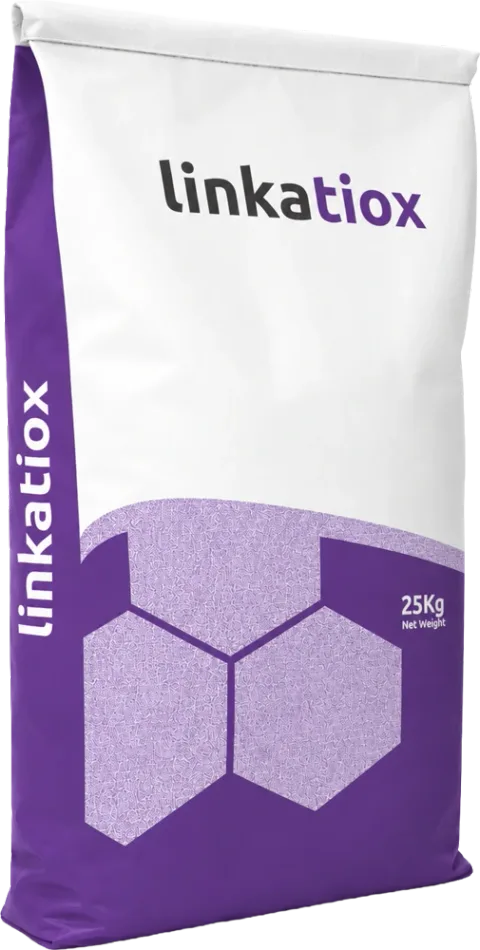 linkatioxAntioxidants for fats, vitamins and pigments, with or without ethoxyquin depending on the market.
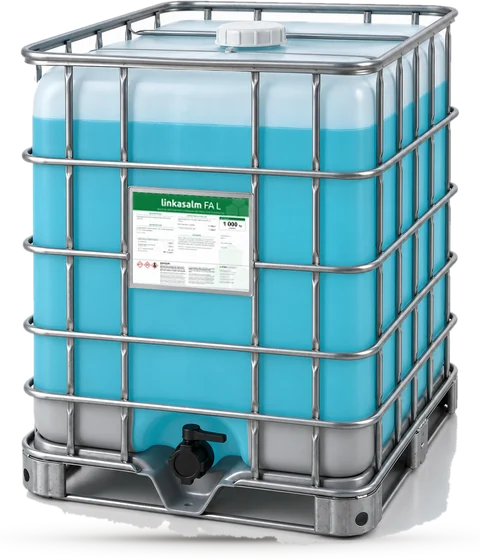 linkasalmFeed hygiene
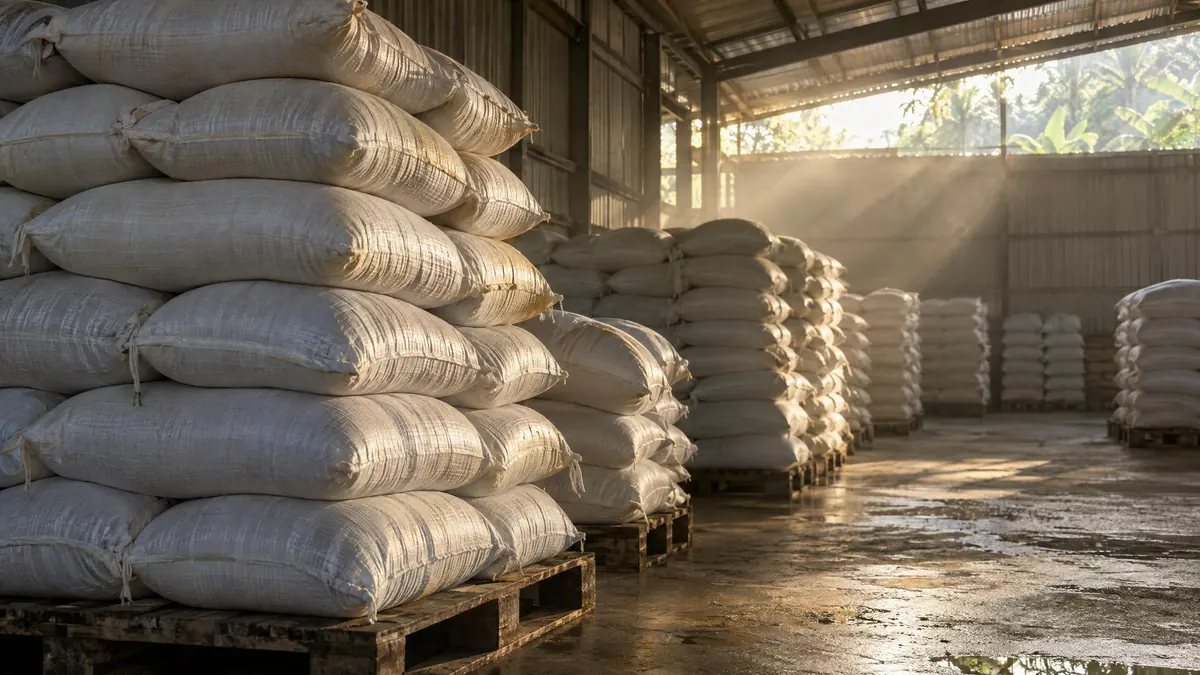
Where the risk comes from
Mouldy feed, stored grain, water activity: where does the risk come from?
A mould does not need moisture: it needs available water. That is what water activity (Aw) measures, on a scale from 0 to 1: the share of the water that micro-organisms can actually use. Moisture content tells you how much water a grain holds; water activity tells you how much of it is on offer for microbial growth. Two lots at the same moisture can therefore behave very differently, depending on temperature, how the water is spread through the lot, and its fat content.
In a silo, warm air migrates, condenses on the cold wall and creates a wet zone. Storage moulds start there; their respiration releases water and heat, which wet the next zone. Left alone, a grain store manufactures its own spoilage. And storage moulds can produce mycotoxins in a lot that carried none at intake.
Mouldy feed has lost dry matter, energy and palatability. Whether for cattle or for chickens, visibly mouldy feed or mouldy grain is not fed out: it is set aside and analysed.
The lever: feed that is dry, cool and does not wait long, then a mould inhibitor dosed on moisture, water activity, pH and the time still to cover. That is the job of Linkamold.
How to choose
Mould inhibitor or mycotoxin binder: which one, for which risk?
The three tools in this category do not replace one another. This table sets out what each one does, where, and what its rate depends on.
| Criterion | Mould (mold) inhibitor | Mycotoxin binder | Antioxidant |
|---|---|---|---|
| The risk it addresses | Moulds and yeasts growing during storage | Mycotoxins already present in raw materials | Oxidation of fats, oils, vitamins and pigments |
| How it works | Organic acids that enter the mould cell and block its metabolism | A clay that binds mycotoxins to its surface during digestion; the complex is excreted instead of being absorbed | Molecules that break the oxidation chain reaction, and chelators that lock up the metals that start it |
| Using it well | A mycotoxin that has already formed calls for a binder | Keeping feed free of mould calls for a mould inhibitor | On fat that is still fresh, protected before oxidation sets in |
| What sets the rate | Moisture, water activity, feed pH and the time to cover | The contamination level of the lot and the species | Fat content and how unsaturated the fat is |
| Where it goes in | At raw material intake or in the mixer; as a liquid, sprayed with the added water | In the mixer, into the compound feed | In the premix or at the mixer, into the feed; on the fat, case by case |
| Forms | Powder and liquid | Powder | Powder |
| Platform | Linkamold | Linkafix | Linkatiox |
One does not replace the other: a lot can arrive loaded with field mycotoxins without a trace of mould, and a clean lot can go mouldy in your own silo. Many mills use both.
Mould inhibitor vs mycotoxin binder: what to test to know which one you need
For a mould inhibitor, you follow the feed: moisture and water activity at manufacture, storage temperature, yeast and mould counts over the weeks, and the real time between the mill and the last feeding.
For a mycotoxin binder, you follow the raw material: which toxins, at what levels, in which lots. Aflatoxins, deoxynivalenol (DON), zearalenone, fumonisins, ochratoxin A: they do not come from the same moulds or the same raw materials, and they do not all bind equally easily to a clay.
In both cases, comparing two products means a protocol written in advance, with a control: without one, no trial tells you anything.
Dose on what you receive
Dose on what you actually receive, not on what you assumed
No raw material arrives the same twice: maize whose moisture changes from one truck to the next, a meal whose origin changes, a recovered fat that is more or less unsaturated. Overdosing as a precaution means paying for a risk you have not measured; underdosing to protect formula cost means the additive does nothing.
A well-taken sample matters as much as the analysis, because mycotoxins are not spread evenly through a lot. Results are then read against your own thresholds: the regulatory values of the destination country, your customers’ specifications, your internal limits.
Send us your results: we read them with you and turn them into a grade and a rate. For mycotoxins: assessment tool available to our customers, on request. How we work, from analysis to recommendation, is set out in How we work.
- Moisture and water activity decide the mould inhibitor rate.
- The contamination profile decides the mycotoxin binder grade.
- Fat content and unsaturation decide the antioxidant rate.
Fats, vitamins, pigments: oxidation only shows once it has set in
Fat oxidation starts with no smell and no colour change: the first products are invisible, and the rancid note comes later, when part of the value is already gone. Heat, oxygen, the metals in the premix, copper and iron above all, and the unsaturation of the fat all speed up the reaction.
An antioxidant extends the period during which the fat stays intact; it does not repair a fat that has already oxidised. Hence two rules: apply it early, in the premix or at the mixer; calculate its rate on the fat, not on the tonne of feed.
With or without ethoxyquin: the destination market chooses the line, not the animal. Linkatiox comes in both.
Fish and shrimp feed: two risks that add up
Fish feed preservatives have to answer two risks at once: highly unsaturated fish oils, which oxidise fast, and storage that is often hot and humid, in bags, next to the ponds. A fish feed therefore needs an antioxidant dosed on its fat and, depending on its moisture and storage time, a mould inhibitor.
Linkafix, Linkamold and Linkatiox are all used in aquaculture; the grade and the rate are chosen on your formula and your climate.
Let’s talk about your raw materials
You run quality
Send us your analyses: moisture, water activity, mycotoxins, fat. You get back a grade and a rate, not a brochure.
Review your raw-material risk →You want to compare
A trial takes preparation: protocol, control, duration, measurements. Send us yours, or let’s build it together.
Propose a trial →Or directly: +33 2 30 91 59 15 · contact@linkernutrients.com
Further reading
- Feed Solutions →
The four categories of additives for the feed mill.
- All products →
Feed Solutions and Farm Solutions, by species.
- How we work →
From your raw-material analysis to a recommendation.
Frequently asked questions
Do I need a preservative if the feed is eaten quickly?
Not always. A mould inhibitor rate follows moisture, water activity, feed pH and the time to cover. A dry feed eaten within a few days does not have the needs of a feed stored for several weeks in a hot, humid climate.
Does a mould inhibitor remove mycotoxins?
No. It holds back mould growth in the feed; it does not bind a mycotoxin that formed in the field or before intake. That is the job of a mycotoxin binder, such as Linkafix.
Is mouldy feed dangerous for cattle or chickens?
It can be. Mouldy feed has lost part of its value and palatability, and the moulds may have produced mycotoxins in it. It should not be fed out: set it aside, have it analysed, and talk to your vet if animals have eaten it.
Water activity vs moisture content: which one matters?
Both are measured, but water activity is what tells you whether a mould can grow: it measures available water, not total water. Moisture content remains useful to follow manufacture and yield.
Which preservatives for fish feed?
How do I know which mycotoxins my raw materials carry?
By analysis, lot by lot, on a well-taken sample. Send us your results and we read them with you; assessment tool available to our customers, on request.