
Linker Nutrients

Feed Solutions · Digestion and performance

Tannins for phases when digestion is under pressure.

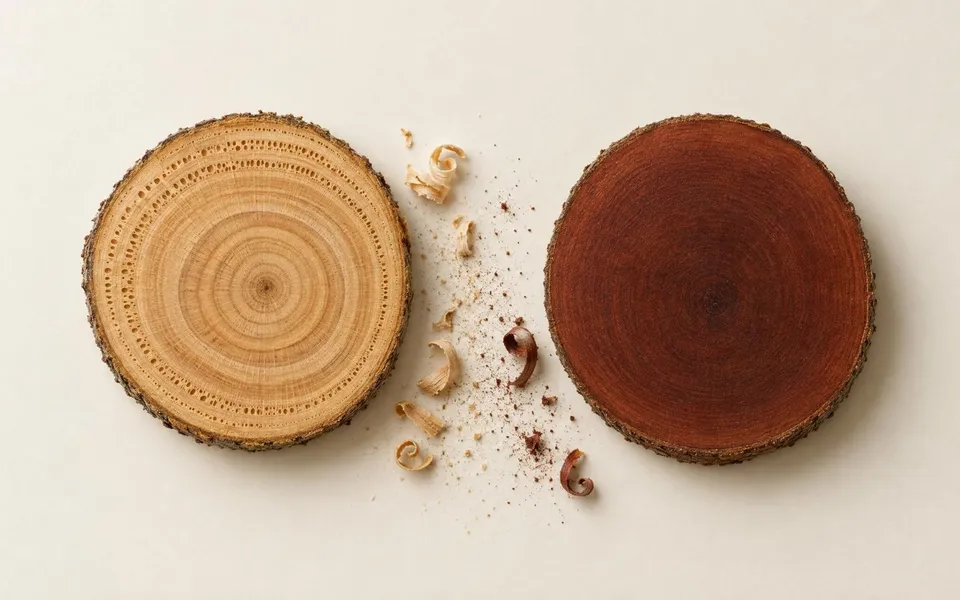
Illustration: Tannin extract
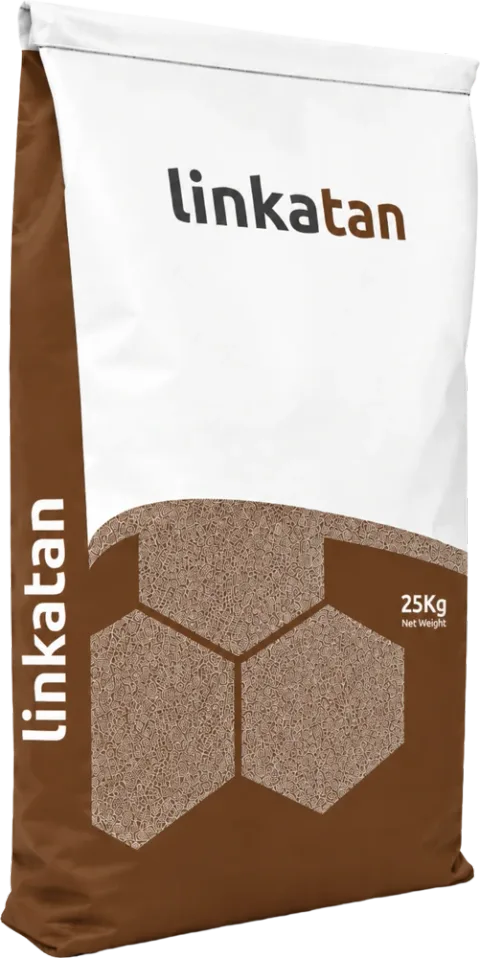
Linkatan
  • Firmer faeces at weaning

    The faecal score is the measure that moves most consistently in tannin trials on piglets.

  • Footpads and litter

    Fewer broilers with footpad lesions over a year of commercial production.

  • Tested at the use rate

    Piglet trial at 1.5 kg/t, the post-weaning rate, followed for 32 days.

Linkatan: hydrolysable and condensed tannin extracts for feed

Tannins are plant polyphenols that bind proteins. Hydrolysable (or hydrolyzable) tannins are esters of a sugar and phenolic acids, broken down in the intestine. Linkatan combines hydrolysable and condensed tannins, a tannin feed additive for poultry, pig and ruminant feed. It has to be dosed with care: too little does nothing, too much weighs on palatability and protein digestion.

Form
Water-soluble powder, 25 kg paper bag
Nature
Plant extracts of hydrolysable and condensed tannins
Species
Poultry, pigs, ruminants, aquaculture (fish, shrimp)
Use
At the feed mill
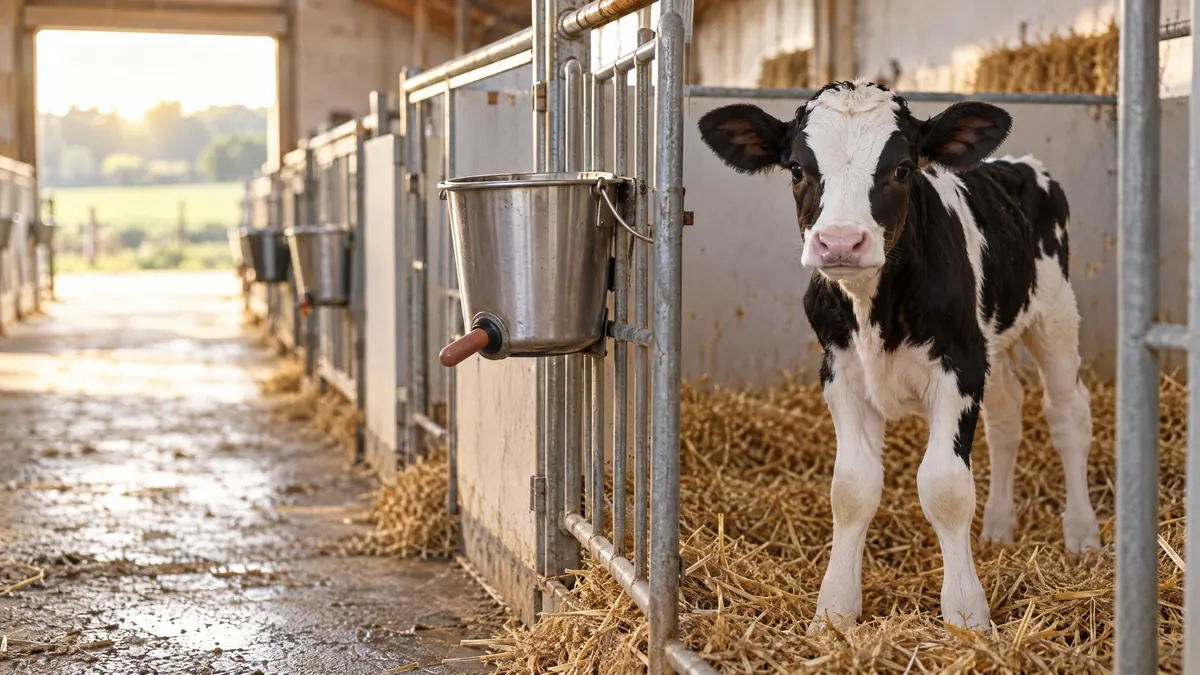
A calf in its pen, in a livestock building

The problem

Phases when digestion is under pressure

Weaning, feed changes, the starter phase: at these moments the young animal’s gut is under the most strain and digestive upsets are more frequent. Hydrolysable tannins are among the plant-based levers used in feed during these sensitive phases.

It is not a growth promoter. A tannin extract is used to support a difficult phase, not to make a healthy animal grow faster.

The piglet weaning transition also depends on formulation, water and farm management.

Two families

Hydrolysable or condensed tannins: two families, two behaviours

Condensed tannins, or proanthocyanidins, are polymers of flavonoids. Stable and little broken down in the digestive tract, much of them ends up in the faeces.

Hydrolysable tannins are esters of a sugar, usually glucose, and phenolic acids, gallic or ellagic. As their name says, they are partly hydrolysed in the intestine and act early; condensed tannins, more stable, carry on further along.

Tannic acid vs tannins: tannic acid, often taken for tannins as a whole, is in fact one particular hydrolysable tannin, from the gallotannin family. Talking about tannins in animal nutrition without saying which family is meant mixes up two different behaviours.

The principle

What Linkatan’s tannins do

Everything they do starts from one property: they bind proteins.

  1. They bind.Tannins form complexes with proteins, including those on the surface of bacteria.
  2. Two families.Hydrolysable tannins are partly hydrolysed in the intestine and act early; condensed tannins, more stable, carry on further along.

Why the rate matters

Palatability
Their harsh, drying taste can hold back intake above a certain rate.
Proteins
Their binding also affects dietary proteins: too much weighs on their digestion.
Species and stage
Piglets, broilers and ruminants have neither the same need nor the same tolerance.
Objective
Supporting a sensitive phase, not boosting the growth of a healthy batch.

Linkatan at a glance

1 min 5 s, subtitled in English

Ruminants

Tannins in cattle and ruminant feed

In ruminants, the binding of tannins to proteins starts in the rumen, where part of the dietary protein is broken down by microorganisms. Tannins in cattle feed are a long-standing subject of ruminant nutrition research, and one more reason to set the rate precisely.

Linkatan is used in ruminants as well as in poultry and pig feed, like other tannins in livestock feed; the rate is set with you, by species and stage, because it decides the outcome.

The grade

One grade, water-soluble

Linkatan comes as a water-soluble powder, to be added to the feed.

Simplified technical data sheet

linkatan

What it is
Tannins
Range
Feed Solutions · Digestion and performance
Species
Poultry, pigs, ruminants, aquaculture (fish, shrimp)
Use
Hydrolysable and condensed tannins for phases when digestion is under pressure, not a growth promoter.
Form and appearance
Brown water-soluble powder
Packaging
25 kg paper bag
Shelf life and storage
36 months, cool, dry, out of direct sun; water-soluble, keep closed
Key ingredients
Plant extracts rich in tannins.
Indicative rate
Pigs, nursery: 1.5–2.5 kg/tFattening pigs: 1 kg/tPoultry and game birds: 0.5–2 kg/tRabbits: 3–5 kg/tFish and shrimp: 0.05 to 0.5 % of feed (0.5 to 5 kg/t)

Simplified sheet, for information only: the full technical data sheet of the grade and the label prevail.

Get the full technical data sheet →

Made on sites certified to GMP+ FSA, FAMI-QS, FCA or an equivalent feed safety scheme.
Linker Nutrients SAS · Centre d’Affaires Lorient Mer, 1 rue Honoré d’Estienne d’Orves, 56100 Lorient, France · +33 2 30 91 59 15 · contact@linkernutrients.com
www.linkernutrients.com/en/products/linkatan · Updated 4 November 2026

Indicative rates, taken from the current technical data sheet. The product is water-soluble: close the bag well and store it cool and dry.

What has been measured

Each result comes with its conditions; the full details are available on request.

  • Trial on the product

    On farm, in 200 weaned piglets followed for 32 days at 1.5 kg/t: +34 g of daily gain versus the control.

    Conditions
    Two diets, 5 pens of 20 piglets each; P = 0.05.
    On request
    Trial summary
    Ask for the details, result 1 →
  • Trial on the product

    In a published study on 720,000 broilers raised over six cycles at 1 kg/t: 64.4% of birds with a footpad lesion, against 77.8% with the farm’s reference programme.

    % of broilers with a footpad lesion (lower is better)
    Reference programme77.8
    With Linkatan64.4
    Conditions
    Six houses, three per programme, followed for one year; significant difference (p < 0.05); mean lesion score 0.766 vs 1.067.
    On request
    Reference of the publication
    Ask for the details, result 2 →
  • Trial on the product

    Across 120,000 laying hens followed for two years at 0.75 kg/t: +4.2% eggs per hen versus the control flock.

    Conditions
    60,000 hens per flock; average of the two years.
    On request
    Trial summary
    Ask for the details, result 3 →
  • Trial on the product

    In weaned piglets at 1 kg/t for 28 days: taller jejunal villi than in the control (544 vs 424).

    jejunal villus height
    Control424
    With Linkatan544
    Conditions
    University station, 144 piglets in 4 groups of 6 pens; measured on 4 piglets per group; significant difference (p ≤ 0.05).
    On request
    Trial summary
    Ask for the details, result 4 →

Trial results available on request.Ask for the trial results →

In practice

What Linkatan is

Plant extract for animal feed. Its status varies by country: status in your country and documents on request.

The documents, and someone to read them with you

The documents you need

Let’s talk about your farm

Species, stage, the phase you want to support and the feed form: with these, a technician will suggest a rate and, if you wish, a trial protocol.

Ask about Linkatan →Propose a trial →

Frequently asked questions

What are hydrolysable tannins?

Plant polyphenols made of a sugar, usually glucose, esterified with phenolic acids. They bind proteins, are partly hydrolysed in the intestine and act early; condensed tannins, more stable, carry on further along.

Are tannic acid and tannins the same thing?

No. Tannic acid is one particular hydrolysable tannin, from the gallotannin family. The word tannins covers two families, hydrolysable and condensed, which do not behave the same way in the animal.

Does Linkatan make animals grow faster?

No. A tannin extract is used to support a phase when digestion is under pressure, such as weaning; it is not meant to speed up the growth of a healthy batch.